
Blood Stem Cell Identity Lab
Blood stem cell Identity team
We are a dynamic, curiosity-driven, international team of scientists on a mission to crack the code of human hematopoietic (blood-making) stem cells, the ultimate shapeshifters of biology (at least for us…). Our work is all about uncovering how these remarkable cells stay young, stay flexible, and stay powerful.
The Recipe?
Self-Renewal: Think of it as extreme self-care at the cellular level. HSCs have to stay relaxed, keep their plasticity, maintain their identity, and avoid burnout, all while being ready to jump into action at any time to generate new blood for life.
Multipotency: They’ve made the career choice to become blood, but they haven’t settled on the job title yet: red cells, white cells, platelets… they keep their options wide open. We’re fascinated by how they hold onto this potential without committing too early.
The result: Engraftment Ability upon Transplantation: When called to duty, these cells deliver. Successfully repopulating an entire blood system in a new host? That’s next-level skill. It takes all the above qualities plus a little extra…. We want to know what gives them this superpower!
Why are we obsessed with HSCs?
Because we’re infatuated with mechanisms of life. What does it take for a cell population to stay stem and ready for anything? Once cells start differentiating, there’s arguably no turning back, and we want to understand the gene expression programs that keep that door open as long as possible.
Because HSC transplantation is still the last hope for many patients and too often a risky, grueling procedure. We want to make it better, safer, and more effective. We want it to become available and affordable for more patients and to be used to treat more diseases.
Because HSCs are a goldmine for understanding adult stem cell biology. They were the first stem cells to be discovered and used in medicine and the most accessible. So as a model to study stemness, they hold the key to unlocking the full promise of regenerative medicine, way beyond the field of blood.
Research lines
Join us on our journey to decode the stem cell blueprint and transform how we treat blood disorders, cancer, and beyond.
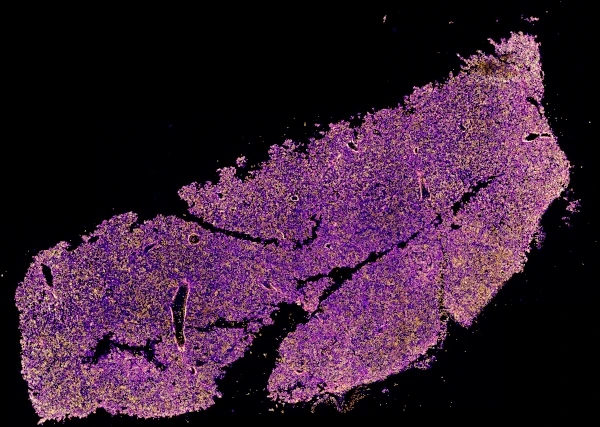
Developmental Origins of HSCs
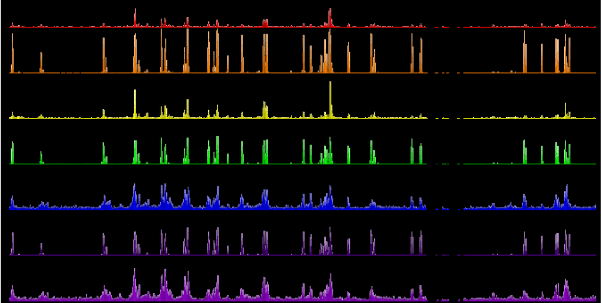
Molecular Dissection of HSC Self-Renewal
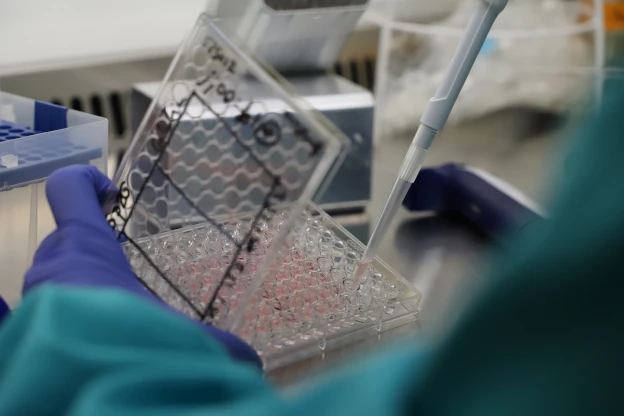
From Discovery to Therapy
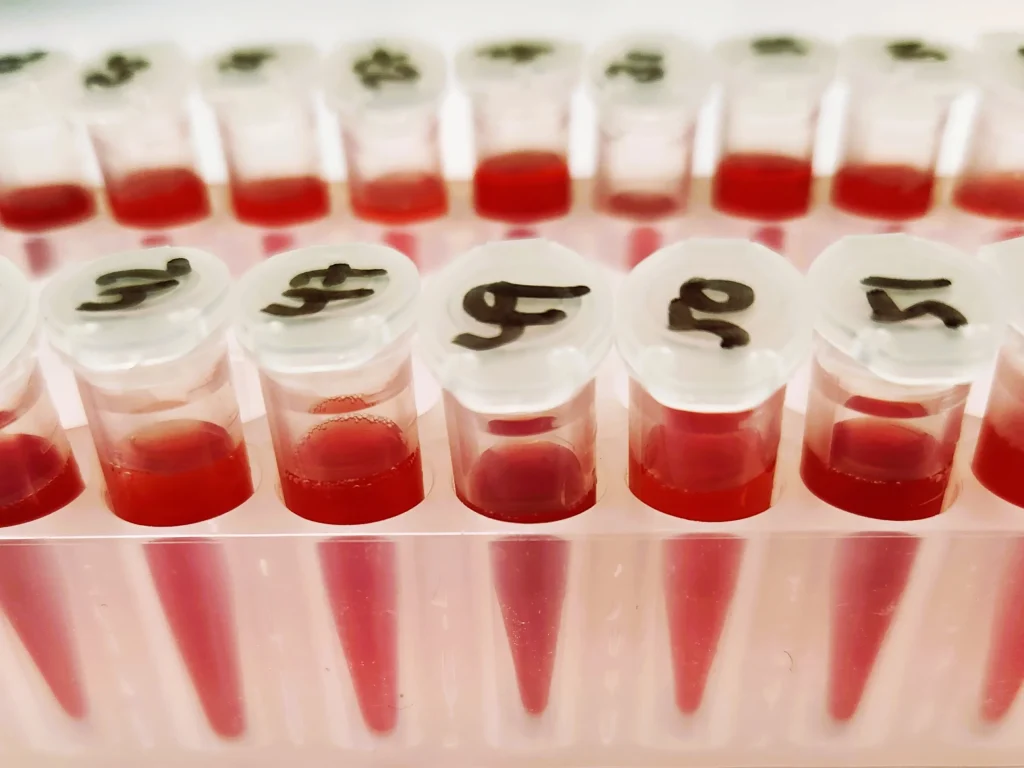
Targeting Leukemia Stem Cells
Tackling functional maturation for transplantable hematopoietic stem cell generation
Transcriptional regulation of self-renewal in human haematopoietic stem cells
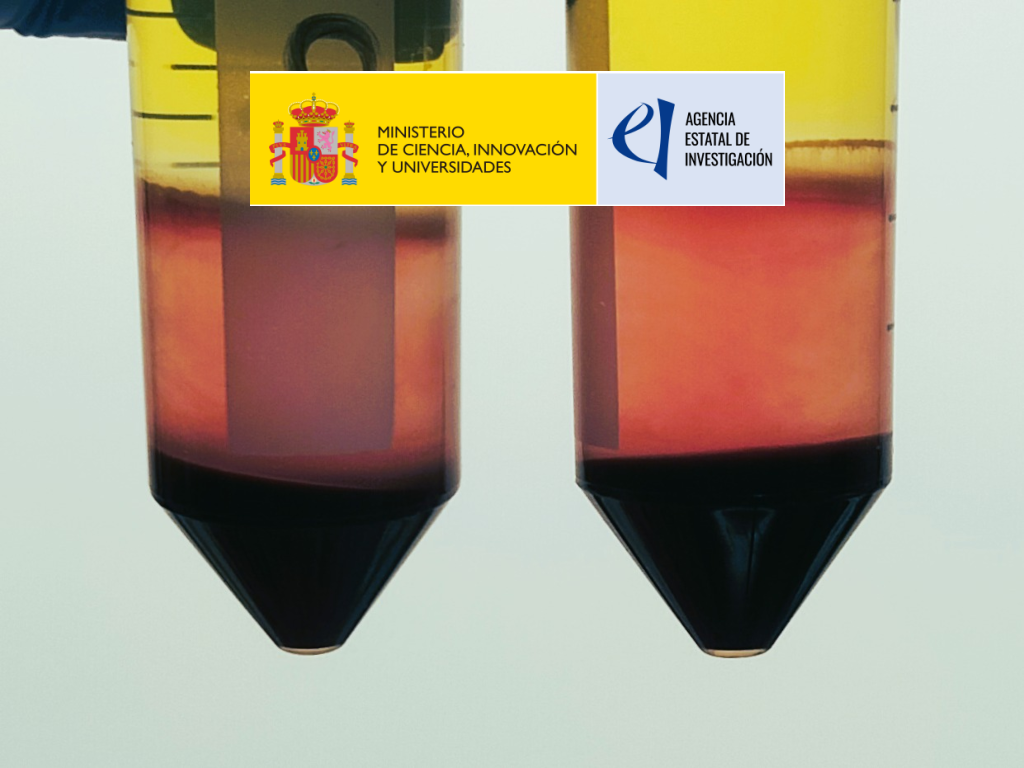
Overcoming the Epigenetic drift in culture-expanded Blood Adult Stem cells
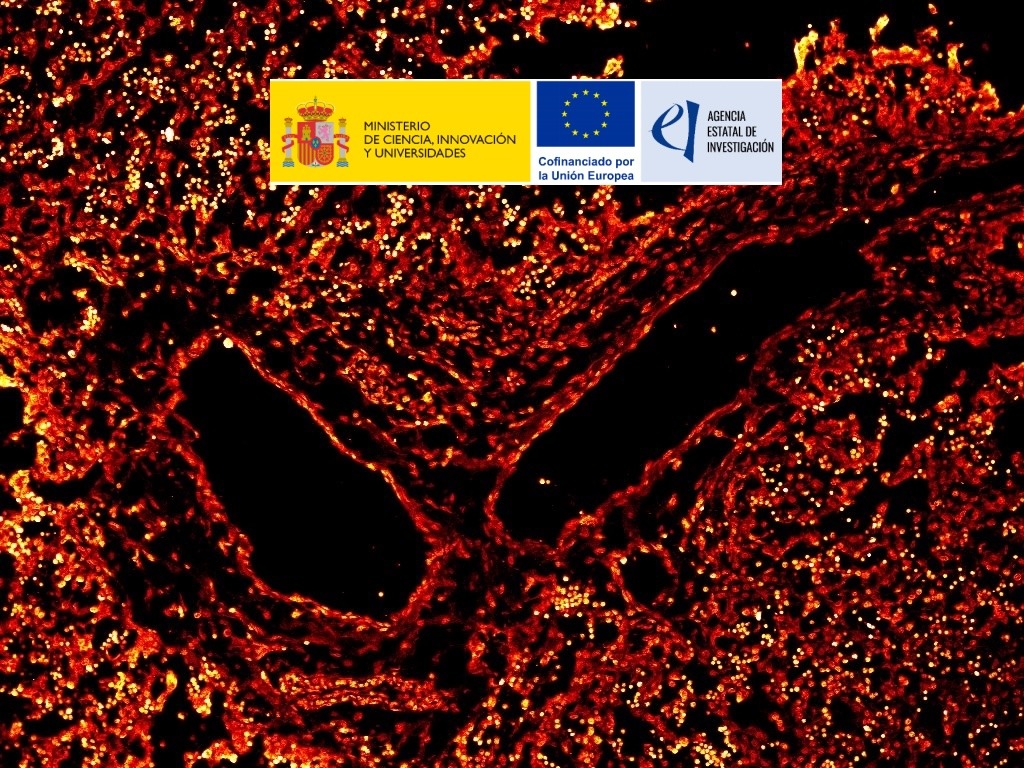
Environmental Space-time definition of human Hematopoietic Stem Cell early DevelopmentEnvironmental Space-time definition of human Hematopoietic Stem Cell early Development
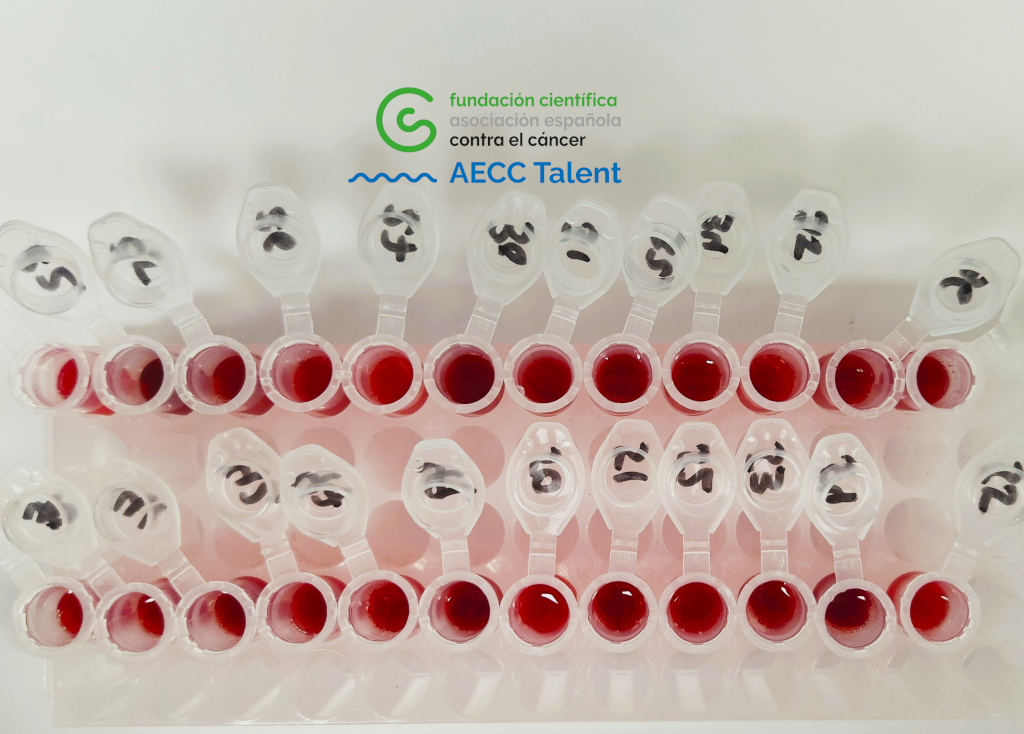
Dissecting the role of the gene HLF (hepatic leukemia factor) in stemness regulation to identify targeted therapeutic options for AML
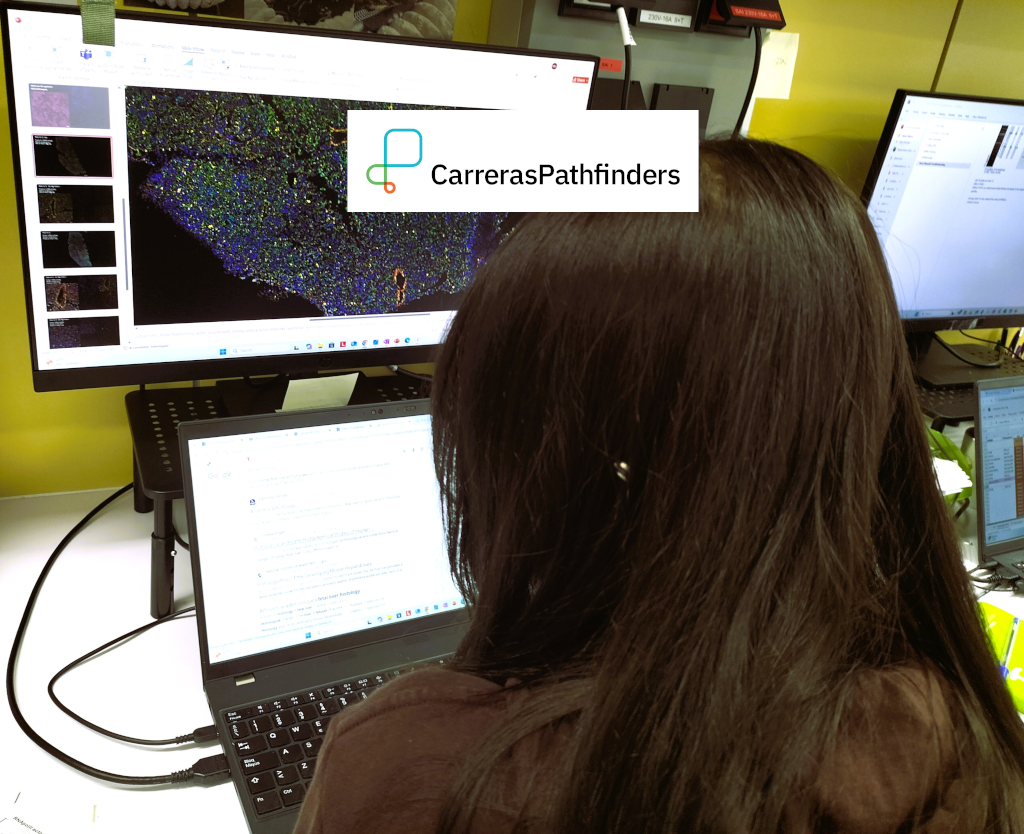
Dissecting the role of the gene HLF (hepatic leukemia factor) in stemness regulation to identify targeted therapeutic options for AML
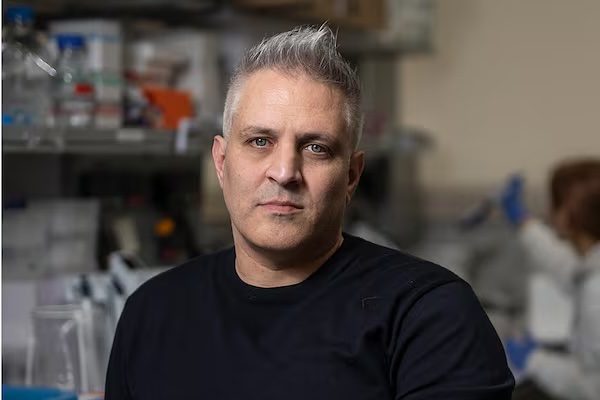
The growing number of US scientists moving to Spain
Spain’s Ministry of Science and the State Research Agency (AEI) have announced that more than 254 researchers from around the world applied to the Atrae program, an initiative to attract established talent of recognized international prestige to Spain. Vincenzo Calvanese, a 43-year-old researcher originally from Naples, Italy, is one of the foreign researchers who decided to take the plunge in the 2024 call for applications. That year, his group opened a new laboratory at the Josep Carreras Leukemia Research Institute (IJC) in Barcelona, funded by the Atrae grant. “It was a very simple decision,” he says.
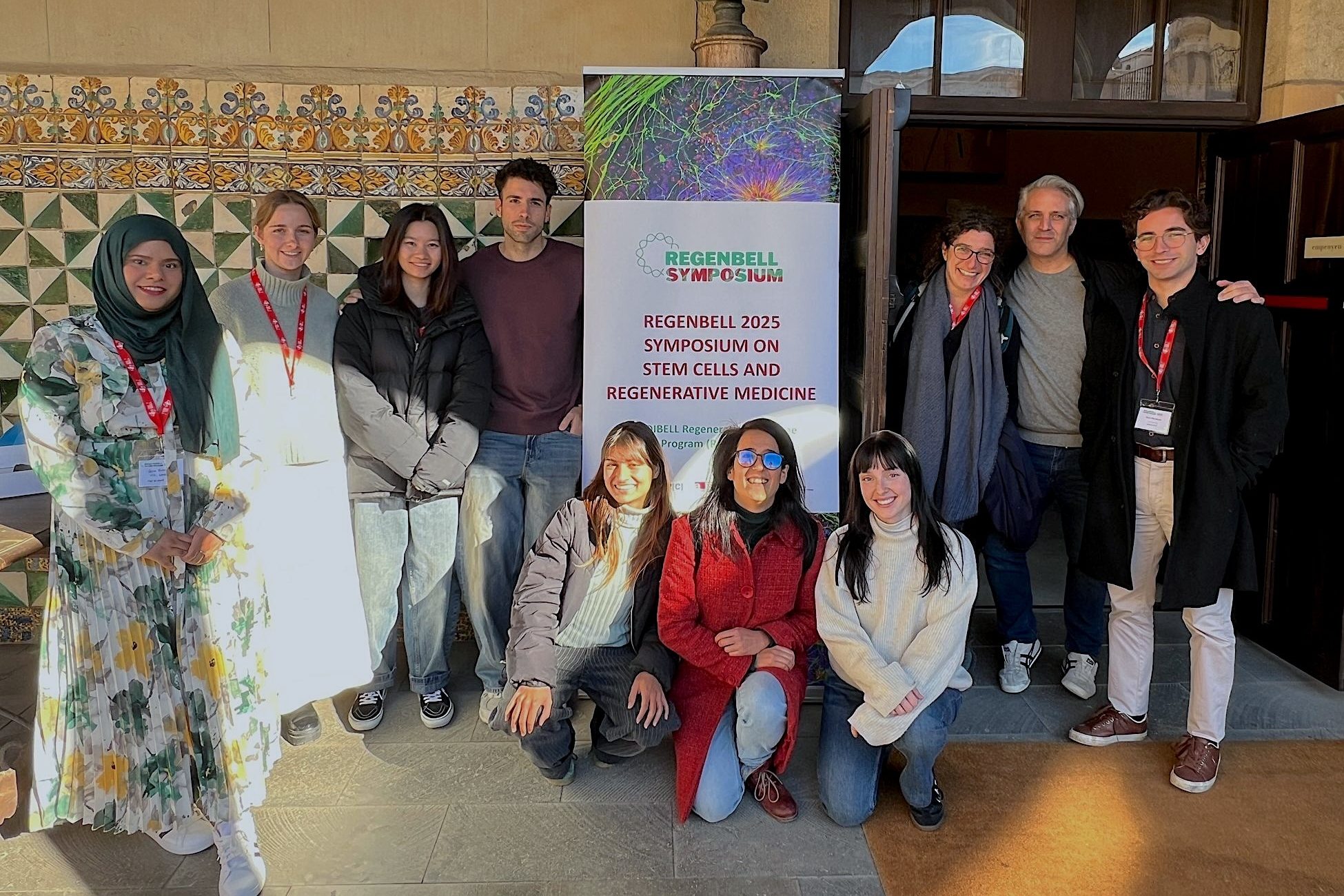
A Strong Lab Presence at RegenBell 2025
The Blood Stem Cell Identity Lab attended the RegenBell Symposium 2025, which featured an excellent and inspiring scientific program. Chiara delivered an engaging talk highlighting her latest findings on HSC self-renewal mechanisms. Sazia and Flo joined from London and presented their work in poster sessions, fostering valuable exchanges and strengthening collaborations within Barcelona’s stem cell research and regenerative medicine community.
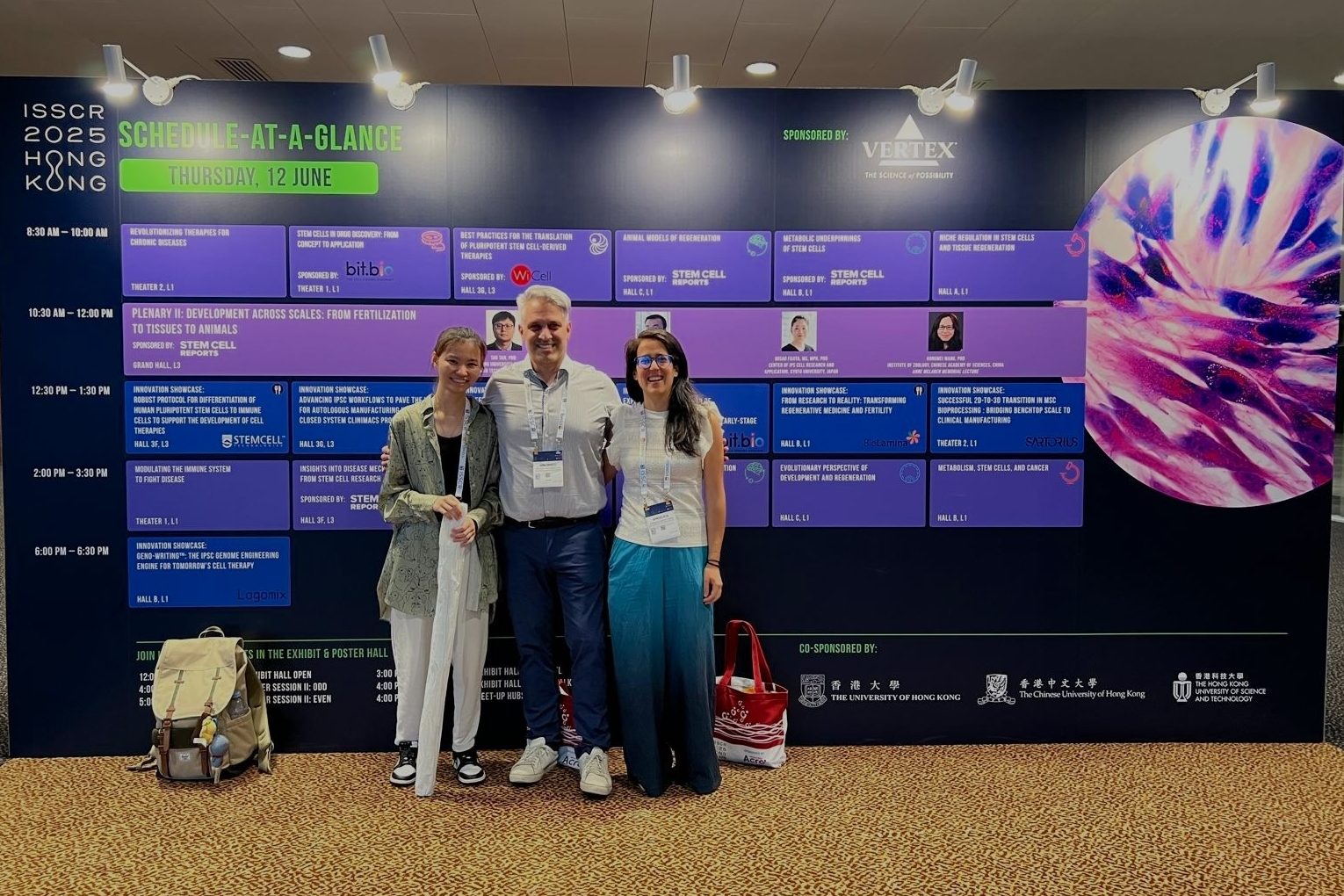
The Blood Stem Cell Identity Lab at ISSCR 2025 in Hong Kong
Vincenzo, Yun, and Angélica represented the lab at the 2025 meeting of the International Society for Stem Cell Research in Hong Kong. Yun delivered an outstanding poster presentation tracing the developmental journey of hematopoietic stem cells from the fetal liver to the bone marrow, sparking engaging discussions with colleagues. She was honored with a Travel Award, recognizing the excellence and impact of her work.
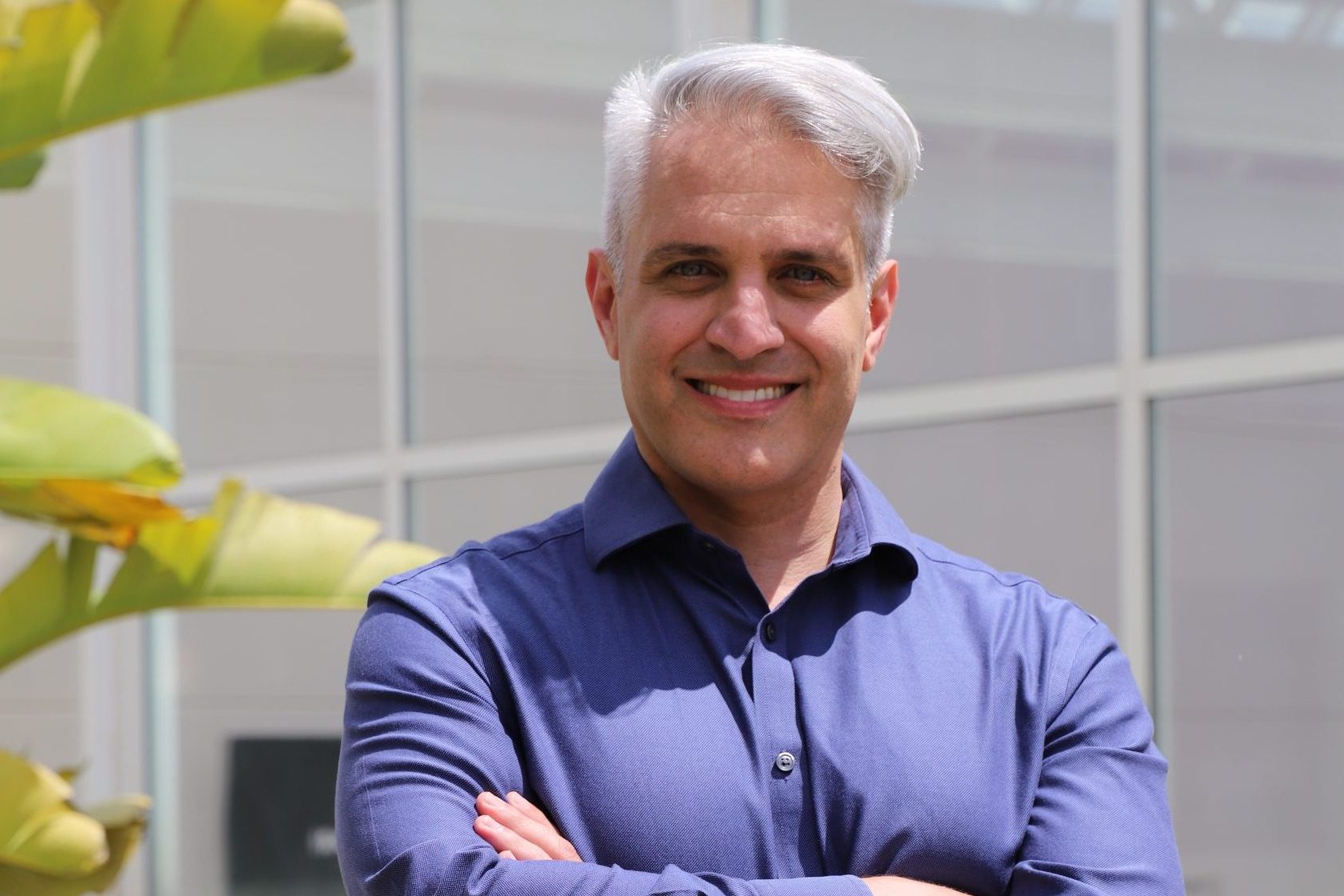
Will Spain be able to recruit scientific talent from the U.S.?
Deleted: After pursuing his career in the United Kingdom and the United States, the Italian researcher Vincenzo Calvanese is one of those scientists who has decided to settle in Spain. For the past eight months, he has been leading his own research group focused on adult blood stem cells. He works at the Josep Carreras Leukemia Research Institute and told COPE that his experience has been positive, as he has also been able to secure funding from the European Union and the United Kingdom and bring it with him to Spain.
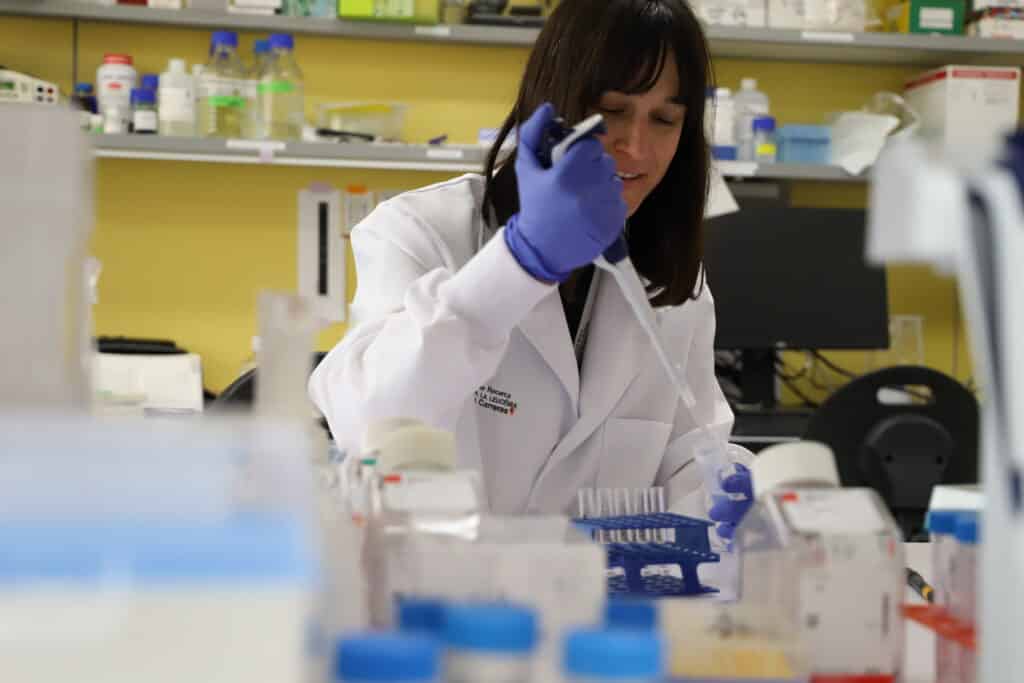
Dr. Júlia Aguadé Gorgorió awarded an AECC Talent Grant
Dr. Júlia Aguadé Gorgorió aim to investigate how the HLF gene regulates both blood and leukaemia stem cells, a pathway toward discovering new cures for acute myeloid leukaemia (AML).
Blood stem cells (also known as hematopoietic stem cells, or HSCs) give rise to all the different types of blood cells in the body without becoming depleted, thanks to their capacity for self-renewal.
In AML, one of the deadliest blood cancers, which affects 2,000 new patients per year in Spain, a subset of AML cells mimics the self-renewal capacity of HSCs. These are known as leukemic stem cells (LSCs). Understanding these LSCs is crucial because they are responsible for resistance and relapse of the disease after therapy.
Calvanese, Vincenzo; Mikkola, Hanna K. A.
The genesis of human hematopoietic stem cells Journal Article
In: Blood, vol. 142, no. 6, pp. 519–532, 2023, ISSN: 0006-4971, 1528-0020.
@article{calvanese_genesis_2023,

title = {The genesis of human hematopoietic stem cells},

author = {Vincenzo Calvanese and Hanna K. A. Mikkola},

url = {https://ashpublications.org/blood/article/142/6/519/496470/The-genesis-of-human-hematopoietic-stem-cells},

doi = {10.1182/blood.2022017934},

issn = {0006-4971, 1528-0020},

year  = {2023},

date = {2023-08-01},

urldate = {2025-09-18},

journal = {Blood},

volume = {142},

number = {6},

pages = {519–532},

abstract = {Abstract

 Developmental hematopoiesis consists of multiple, partially overlapping hematopoietic waves that generate the differentiated blood cells required for embryonic development while establishing a pool of undifferentiated hematopoietic stem cells (HSCs) for postnatal life. This multilayered design in which active hematopoiesis migrates through diverse extra and intraembryonic tissues has made it difficult to define a roadmap for generating HSCs vs non–self-renewing progenitors, especially in humans. Recent single-cell studies have helped in identifying the rare human HSCs at stages when functional assays are unsuitable for distinguishing them from progenitors. This approach has made it possible to track the origin of human HSCs to the unique type of arterial endothelium in the aorta-gonad-mesonephros region and document novel benchmarks for HSC migration and maturation in the conceptus. These studies have delivered new insights into the intricate process of HSC generation and provided tools to inform the in vitro efforts to replicate the physiological developmental journey from pluripotent stem cells via distinct mesodermal and endothelial intermediates to HSCs.},

keywords = {},

pubstate = {published},

tppubtype = {article}

}
Developmental hematopoiesis consists of multiple, partially overlapping hematopoietic waves that generate the differentiated blood cells required for embryonic development while establishing a pool of undifferentiated hematopoietic stem cells (HSCs) for postnatal life. This multilayered design in which active hematopoiesis migrates through diverse extra and intraembryonic tissues has made it difficult to define a roadmap for generating HSCs vs non–self-renewing progenitors, especially in humans. Recent single-cell studies have helped in identifying the rare human HSCs at stages when functional assays are unsuitable for distinguishing them from progenitors. This approach has made it possible to track the origin of human HSCs to the unique type of arterial endothelium in the aorta-gonad-mesonephros region and document novel benchmarks for HSC migration and maturation in the conceptus. These studies have delivered new insights into the intricate process of HSC generation and provided tools to inform the in vitro efforts to replicate the physiological developmental journey from pluripotent stem cells via distinct mesodermal and endothelial intermediates to HSCs.
Calvanese, Vincenzo; Capellera-Garcia, Sandra; Ma, Feiyang; Fares, Iman; Liebscher, Simone; Ng, Elizabeth S.; Ekstrand, Sophia; Aguadé-Gorgorió, Júlia; Vavilina, Anastasia; Lefaudeux, Diane; Nadel, Brian; Li, Jacky Y.; Wang, Yanling; Lee, Lydia K.; Ardehali, Reza; Iruela-Arispe, M. Luisa; Pellegrini, Matteo; Stanley, Ed G.; Elefanty, Andrew G.; Schenke-Layland, Katja; Mikkola, Hanna K. A.
Mapping human haematopoietic stem cells from haemogenic endothelium to birth Journal Article
In: Nature, vol. 604, no. 7906, pp. 534–540, 2022, ISSN: 0028-0836, 1476-4687.
@article{calvanese_mapping_2022,

title = {Mapping human haematopoietic stem cells from haemogenic endothelium to birth},

author = {Vincenzo Calvanese and Sandra Capellera-Garcia and Feiyang Ma and Iman Fares and Simone Liebscher and Elizabeth S. Ng and Sophia Ekstrand and Júlia Aguadé-Gorgorió and Anastasia Vavilina and Diane Lefaudeux and Brian Nadel and Jacky Y. Li and Yanling Wang and Lydia K. Lee and Reza Ardehali and M. Luisa Iruela-Arispe and Matteo Pellegrini and Ed G. Stanley and Andrew G. Elefanty and Katja Schenke-Layland and Hanna K. A. Mikkola},

url = {https://www.nature.com/articles/s41586-022-04571-x},

doi = {10.1038/s41586-022-04571-x},

issn = {0028-0836, 1476-4687},

year  = {2022},

date = {2022-04-01},

urldate = {2025-09-18},

journal = {Nature},

volume = {604},

number = {7906},

pages = {534–540},

keywords = {},

pubstate = {published},

tppubtype = {article}

}
Calvanese, Vincenzo; Nguyen, Andrew T.; Bolan, Timothy J.; Vavilina, Anastasia; Su, Trent; Lee, Lydia K.; Wang, Yanling; Lay, Fides D.; Magnusson, Mattias; Crooks, Gay M.; Kurdistani, Siavash K.; Mikkola, Hanna K. A.
MLLT3 governs human haematopoietic stem-cell self-renewal and engraftment Journal Article
In: Nature, vol. 576, no. 7786, pp. 281–286, 2019, ISSN: 0028-0836, 1476-4687.
@article{calvanese_mllt3_2019,

title = {MLLT3 governs human haematopoietic stem-cell self-renewal and engraftment},

author = {Vincenzo Calvanese and Andrew T. Nguyen and Timothy J. Bolan and Anastasia Vavilina and Trent Su and Lydia K. Lee and Yanling Wang and Fides D. Lay and Mattias Magnusson and Gay M. Crooks and Siavash K. Kurdistani and Hanna K. A. Mikkola},

url = {https://www.nature.com/articles/s41586-019-1790-2},

doi = {10.1038/s41586-019-1790-2},

issn = {0028-0836, 1476-4687},

year  = {2019},

date = {2019-12-01},

urldate = {2025-09-18},

journal = {Nature},

volume = {576},

number = {7786},

pages = {281–286},

keywords = {},

pubstate = {published},

tppubtype = {article}

}