News
The growing number of US scientists moving to Spain
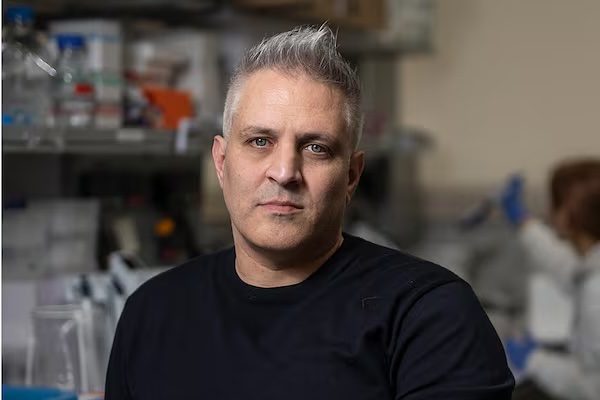
Spain’s Ministry of Science and the State Research Agency (AEI) have announced that more than 254 researchers from around the world applied to the Atrae program, an initiative to attract established talent of recognized international prestige to Spain. Vincenzo Calvanese, a 43-year-old researcher originally from Naples, Italy, is one of the foreign researchers who decided to take the plunge in the 2024 call for applications. That year, his group opened a new laboratory at the Josep Carreras Leukemia Research Institute (IJC) in Barcelona, funded by the Atrae grant. “It was a very simple decision,” he says.
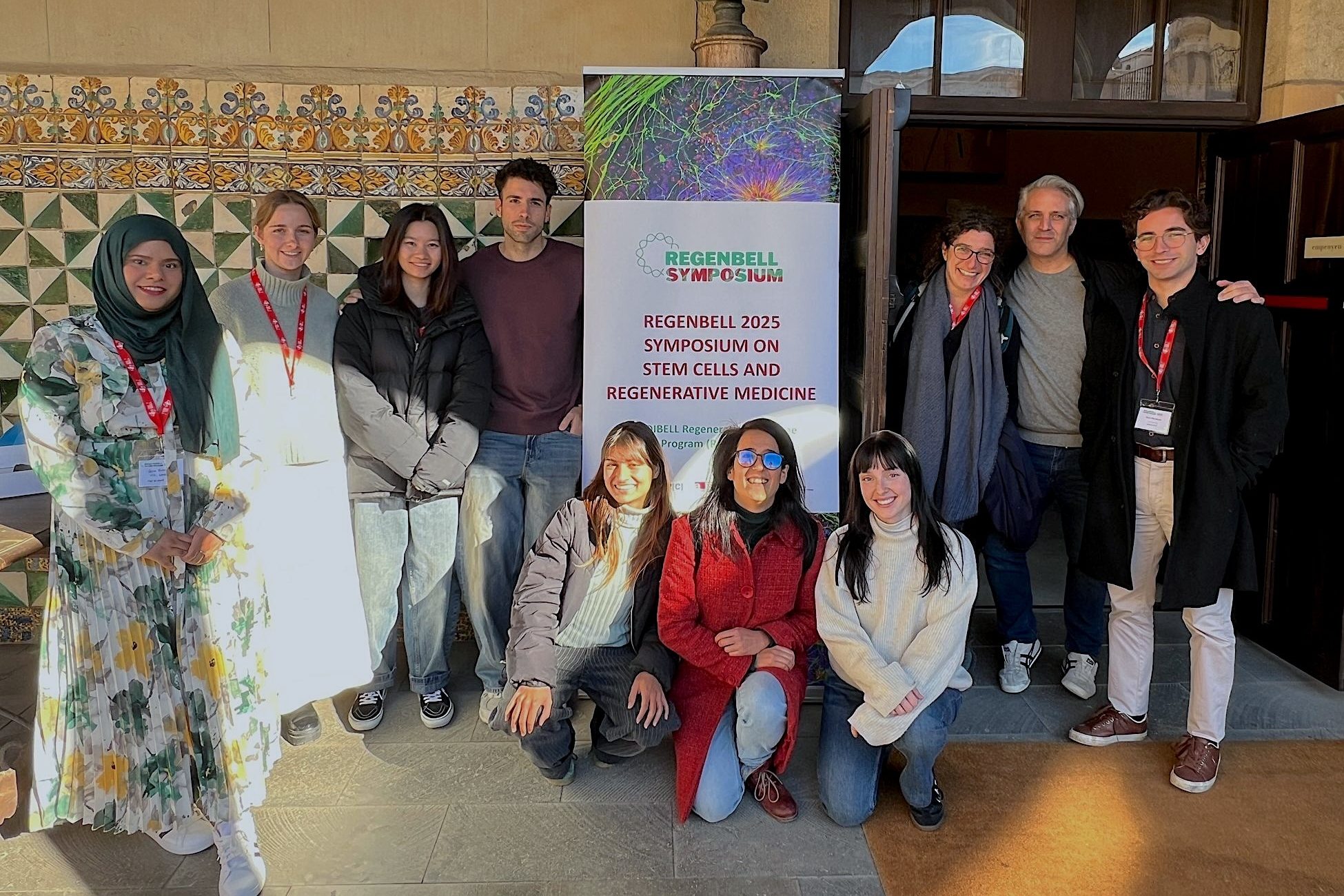
A Strong Lab Presence at RegenBell 2025
The Blood Stem Cell Identity Lab attended the RegenBell Symposium 2025, which featured an excellent and inspiring scientific program. Chiara delivered an engaging talk highlighting her latest findings on HSC self-renewal mechanisms. Sazia and Flo joined from London and presented their work in poster sessions, fostering valuable exchanges and strengthening collaborations within Barcelona’s stem cell research and regenerative medicine community.
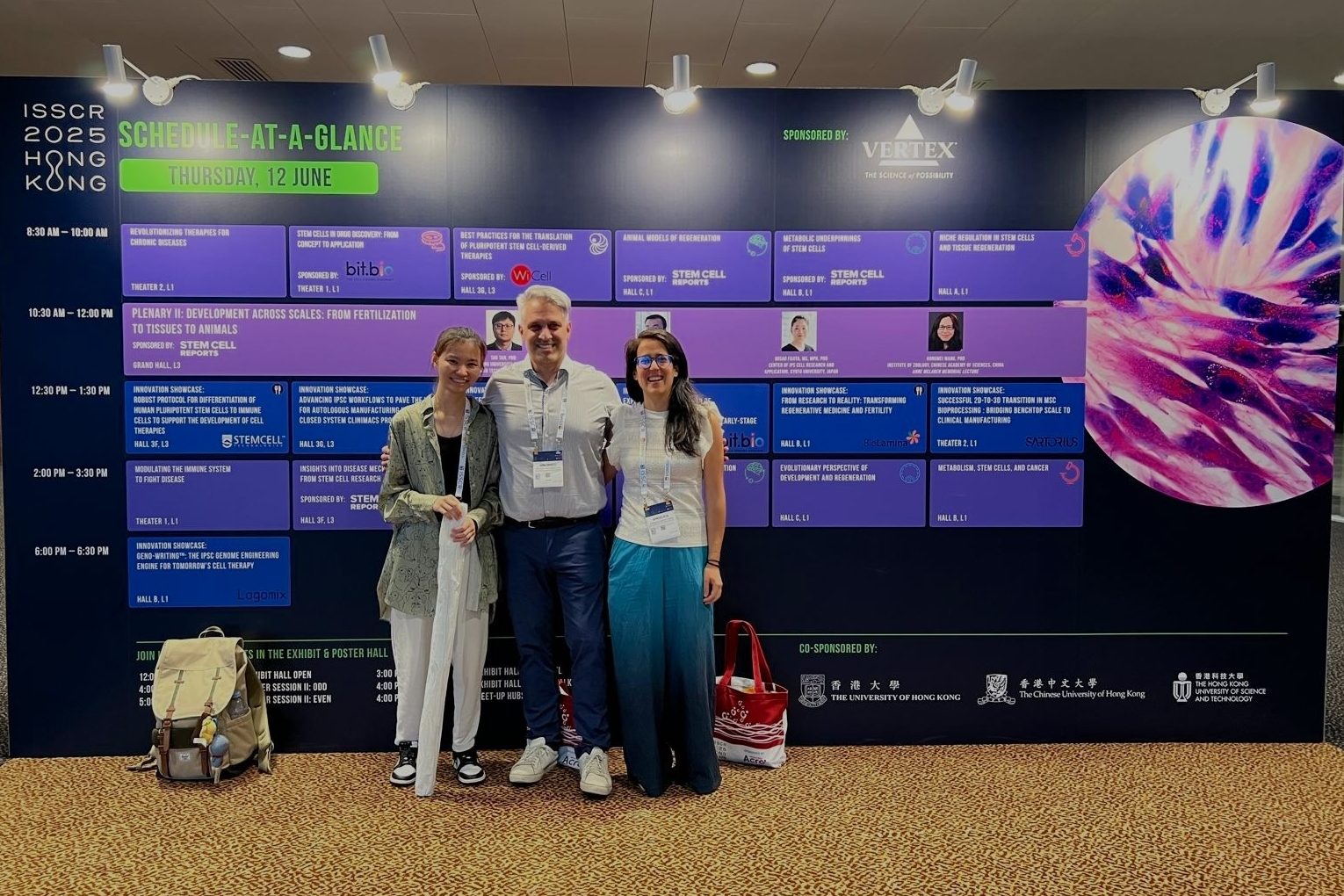
The Blood Stem Cell Identity Lab at ISSCR 2025 in Hong Kong
Vincenzo, Yun, and Angélica represented the lab at the 2025 meeting of the International Society for Stem Cell Research in Hong Kong. Yun delivered an outstanding poster presentation tracing the developmental journey of hematopoietic stem cells from the fetal liver to the bone marrow, sparking engaging discussions with colleagues. She was honored with a Travel Award, recognizing the excellence and impact of her work.
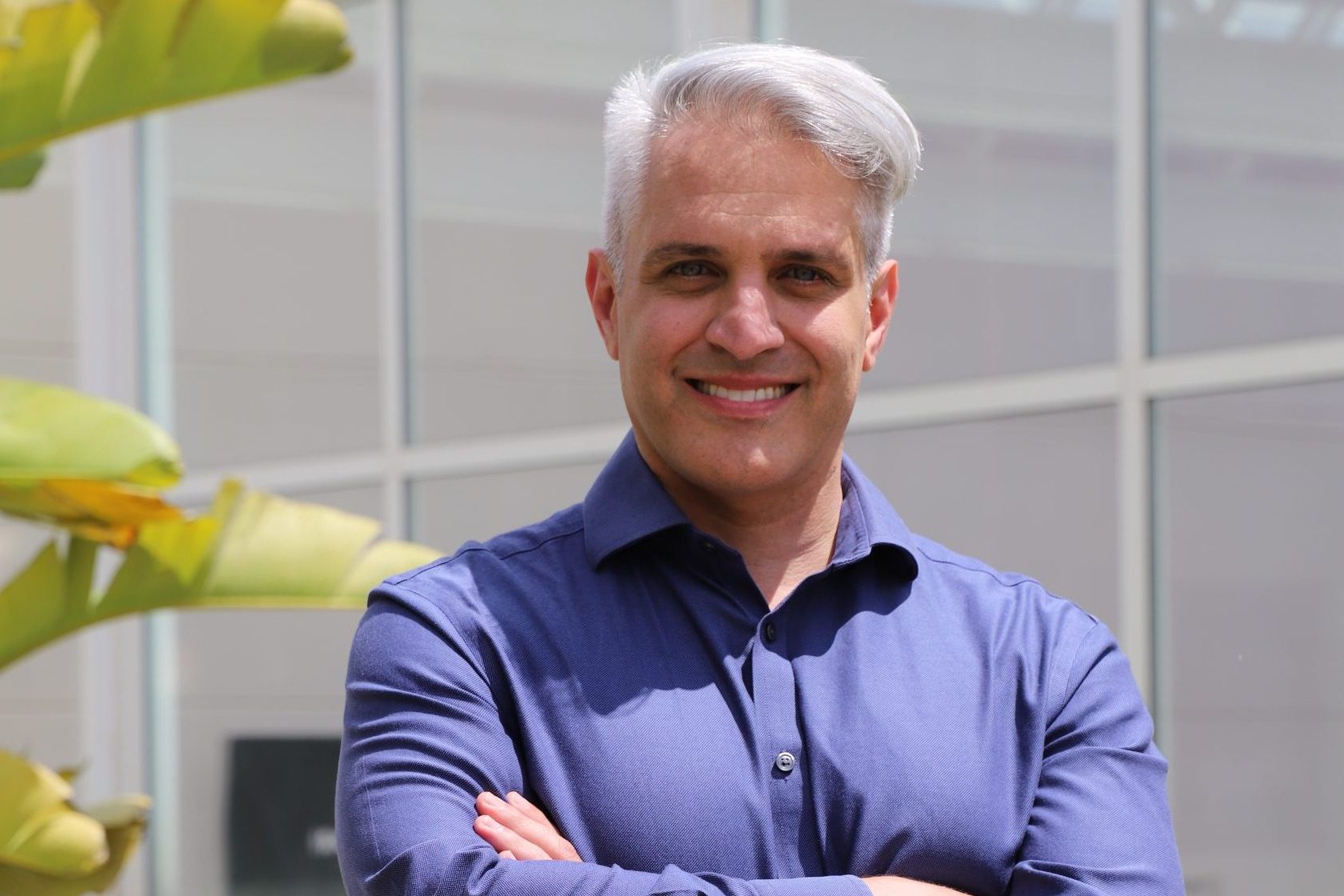
Will Spain be able to recruit scientific talent from the U.S.?
Deleted: After pursuing his career in the United Kingdom and the United States, the Italian researcher Vincenzo Calvanese is one of those scientists who has decided to settle in Spain. For the past eight months, he has been leading his own research group focused on adult blood stem cells. He works at the Josep Carreras Leukemia Research Institute and told COPE that his experience has been positive, as he has also been able to secure funding from the European Union and the United Kingdom and bring it with him to Spain.
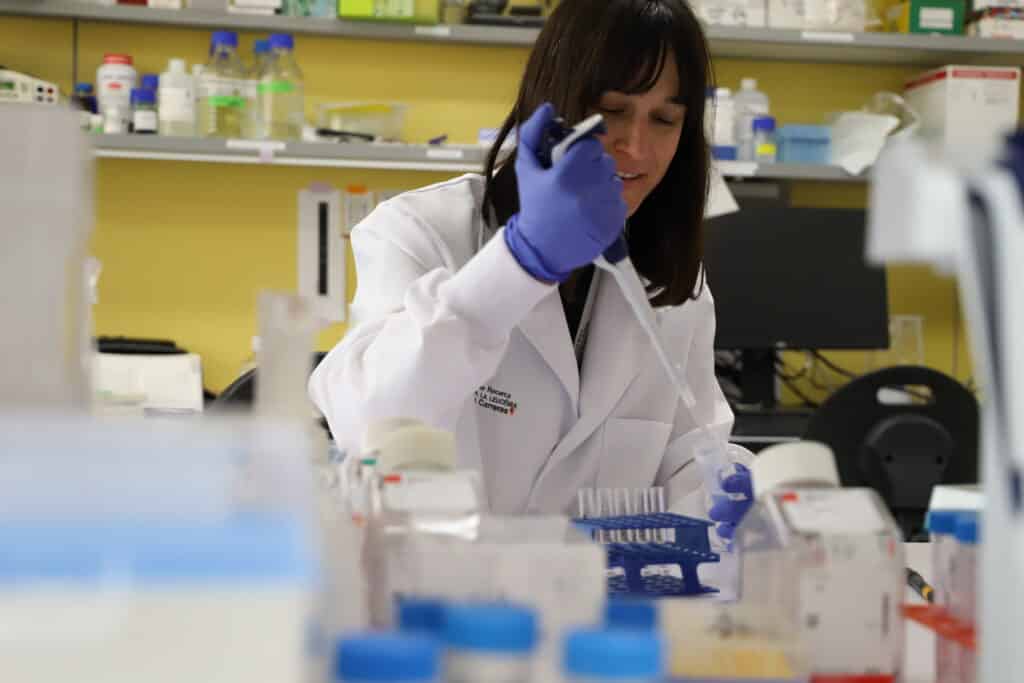
Dr. Júlia Aguadé Gorgorió awarded an AECC Talent Grant
Dr. Júlia Aguadé Gorgorió aim to investigate how the HLF gene regulates both blood and leukaemia stem cells, a pathway toward discovering new cures for acute myeloid leukaemia (AML).
Blood stem cells (also known as hematopoietic stem cells, or HSCs) give rise to all the different types of blood cells in the body without becoming depleted, thanks to their capacity for self-renewal.
In AML, one of the deadliest blood cancers, which affects 2,000 new patients per year in Spain, a subset of AML cells mimics the self-renewal capacity of HSCs. These are known as leukemic stem cells (LSCs). Understanding these LSCs is crucial because they are responsible for resistance and relapse of the disease after therapy.
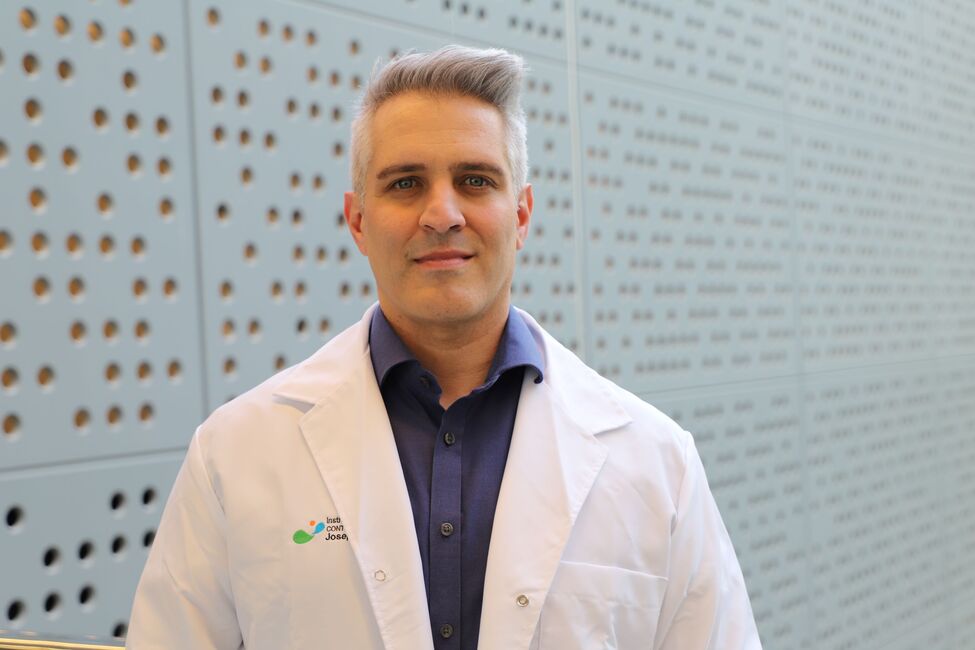
Vincenzo Calvanese: “I want to know what makes a stem cell… a stem cell”
Dr. Vincenzo Calvanese speaks with passion about his research projects and objectives. Trained in pharmaceutical biotechnologies at the University of Bologna, Italy, he moved to Madrid to learn about the epigenetic differentiation of stem cells at the CNIO and the CNB, where he got his PhD. Later on, Calvanese focused his research on haematopoietic (blood) stem cells at the University of California Los Angeles, USA, to finally establish his own lab at the University College London, UK. Now, with a brand-new ERC Consolidator grant in his pocket, one of the finest and most exclusive research funding schemes in Europe, he will open a new lab at the Josep Carreras Institute and will join forces in the fight against leukaemia.
Translational Research joins the best of two worlds: the fundamental knowledge on human biology with the needs for practical innovation for the benefit of patients. Out of pure curiosity, Calvanese is fascinated by the ability of stem cells to become any other cell type, just by using one or another piece of its genetic information. That’s why one of his aims is to understand the molecular determinants of such a special cell type, making a stem cell… a stem cell.
On the practical side, unlocking the potential of blood stem cells will be instrumental to advance in the science of bone marrow transplantation, a life-saving therapy in blood cancers, and to fight against cancer stem cells, the often chemotherapy-resistant cancer cells leading to tumour development and relapse. To do so, the Calvanese lab, established as the “Blood Stem Cell Identity” Lab, will work closely with all his new colleagues at the Josep Carreras Institute, some of whom he knows well already.
“The Josep Carreras Institute harbours a unique mixture of profiles, from the most basic science to the patient-oriented clinical research, all focused on blood cancer. There is a critical mass to start something big”, Calvanese explains, and adds that “Barcelona is one of the best science hubs in southern Europe and, for me, it’s like coming home”.
But, why another lab on hematopoietic stem cells (HSC)? Well, as Calvanese explains, “HSC existence was experimentally proven more than 60 years ago and, as such, they are a robust platform to study stemness. While there is still debate on the existence of stem cells in other tissues, HSC are really well-characterized, hence one of the best models to study adult stem cell properties, how they are established in the embryo and maintained during life.
His projects are nothing short of ambitions and one of these “approaches” will be to try to recreate the complex signals leading to the maturation of stem cells in vitro, something never fully reached and instrumental to provide a stable supply of HSCs derived from pluripotent cells for regeneration in the future. To do so, the Calvanese Lab will have the latest technologies at reach, like single cell spatial transcriptomics, state-of-the-art genomics, proteomics and computational analysis.
The institute grows and we could not be happier with the new talent joining our family, being part of our story and helping us reach the day leukaemia will be a 100% curable disease, for everyone. Be welcome, Vincenzo, and best of luck!
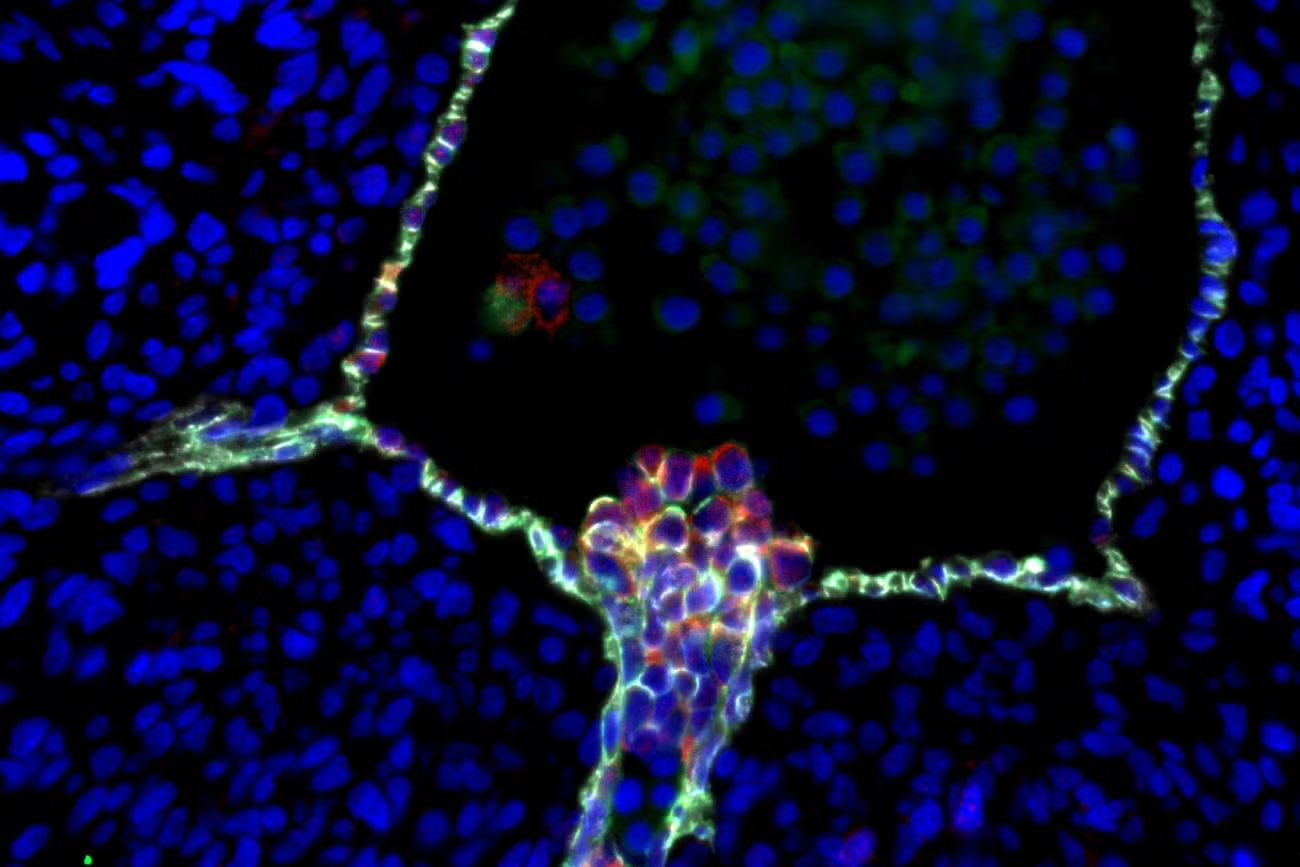
UCLA-led team creates first comprehensive map of human blood stem cell development
UCLA scientists and colleagues have created a first-of-its-kind roadmap that traces each step in the development of blood stem cells in the human embryo, providing scientists with a blueprint for producing fully functional blood stem cells in the lab.
The research, published today in the journal Nature, could help expand treatment options for blood cancers like leukemia and inherited blood disorders such as sickle cell disease, said Dr. Hanna Mikkola of the Eli and Edythe Broad Center of Regenerative Medicine and Stem Cell Research at UCLA, who led the study.
Blood stem cells, also called hematopoietic stem cells, have the ability to make unlimited copies of themselves and to differentiate into every type of blood cell in the human body. For decades, doctors have used blood stem cells from the bone marrow of donors and the umbilical cords of newborns in life-saving transplant treatments for blood and immune diseases. However, these treatments are limited by a shortage of matched donors and hampered by the low number of stem cells in cord blood.
Researchers have sought to overcome these limitations by attempting to create blood stem cells in the lab from human pluripotent stem cells, which can potentially give rise to any cell type in the body. But success has been elusive, in part because scientists have lacked the instructions to make lab-grown cells differentiate into self-renewing blood stem cells rather than short-lived blood progenitor cells, which can only produce limited blood cell types.
“Nobody has succeeded in making functional blood stem cells from human pluripotent stem cells because we didn’t know enough about the cell we were trying to generate,” said Mikkola, who is a professor of molecular, cell and developmental biology in the UCLA College and a member of the UCLA Jonsson Comprehensive Cancer Center.
The new roadmap will help researchers understand the fundamental differences between the two cell types, which is critical for creating cells that are suitable for use in transplantation therapies, said UCLA scientist Vincenzo Calvanese, a co–first author of the research, along with UCLA’s Sandra Capellera-Garcia and Feiyang Ma.
“We now have a manual of how hematopoietic stem cells are made in the embryo and how they acquire the unique properties that make them useful for patients,” said Calvanese, who is also a group leader at University College London.
The research team, which included scientists from Germany’s University of Tübingen and Australia’s Murdoch Children’s Research Institute, created the resource using single-cell RNA sequencing and spatial transcriptomics, new technologies that enable scientists to identify the unique genetic networks and functions of thousands of individual cells and to reveal the location of these cells in the embryo.
The data make it possible to follow blood stem cells as they emerge from the hemogenic endothelium and migrate through various locations during their development, starting from the aorta and ultimately arriving in the bone marrow. Importantly, the map unveils specific milestones in their maturation process, including their arrival in the liver, where they acquire the special abilities of blood stem cells.
To explain the maturation process, Mikkola compares immature blood stem cells to aspiring surgeons. Just as surgeons need to go through different stages of training to learn how to perform surgeries, immature blood stem cells must move through different locations to learn how to do their job as blood stem cells.
The research group also pinpointed the exact precursor in the blood vessel wall that gives rise to blood stem cells. This discovery clarifies a longstanding controversy about the stem cells’ cellular origin and the environment that is needed to make a blood stem cell rather than a blood progenitor cell.
Now that the researchers have identified specific molecular signatures associated with the different phases of human blood stem cell development, scientists can use this resource to see how close they are to making a transplantable blood stem cell in the lab.
“Previously, if we tried to create a blood stem cell from a pluripotent cell and it didn’t transplant, we wouldn’t know where in the process we failed,” Mikkola said. “Now, we can place the cells in our roadmap to see where we’re succeeding, where we’re falling short and fine-tune the differentiation process according to the instructions from the embryo.”
In addition, the map can help scientists understand how blood-forming cells that develop in the embryo contribute to human disease. For example, it provides the foundation for studying why some blood cancers that begin in utero are more aggressive than those that occur after birth.
“Now that we’ve created an online resource that scientists around the world can use to guide their research, the real work is starting,” Mikkola said. “It’s a really exciting time to be in the field because we’re finally going to be seeing the fruits of our labor.”