Projects
FUN-HSC: Tackling functional maturation for transplantable hematopoietic stem cell generation
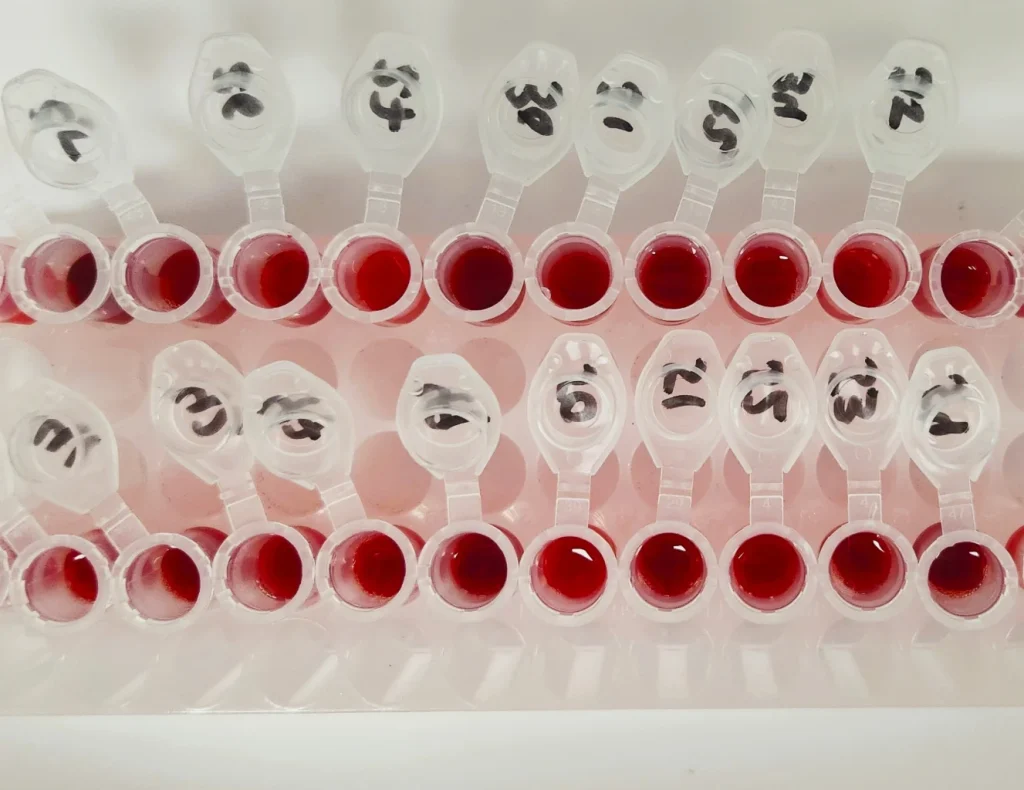
Blood stem cells are lifesavers, but lab-grown versions just aren’t ready for the job yet. FUN-HSC aims to uncover the key ingredients behind their natural maturation in the fetal liver and use that knowledge to create stem cells that are therapy-ready from scratch.
Transcriptional regulation of self-renewal in human haematopoietic stem cells
This project dives into how blood stem cells renew themselves, focusing on the fine-tuned dance between genes, metabolism, and transcription machinery. By decoding this process, the goal is to create a reliable recipe to grow these powerful cells in the lab for future life-saving therapies.
EpiBlAS: Overcoming the Epigenetic drift in culture-expanded Blood Adult Stem cells
Why can some blood stem cells grow in the lab, while others don’t? This project builds the first-ever epigenetic roadmap of human stem cells, revealing how their internal settings and metabolism affect their ability to expand, paving the way to boost stem cell supplies for therapies.
SpaceHSC-Dev: Environmental Space-time definition of human Hematopoietic Stem Cell early Development
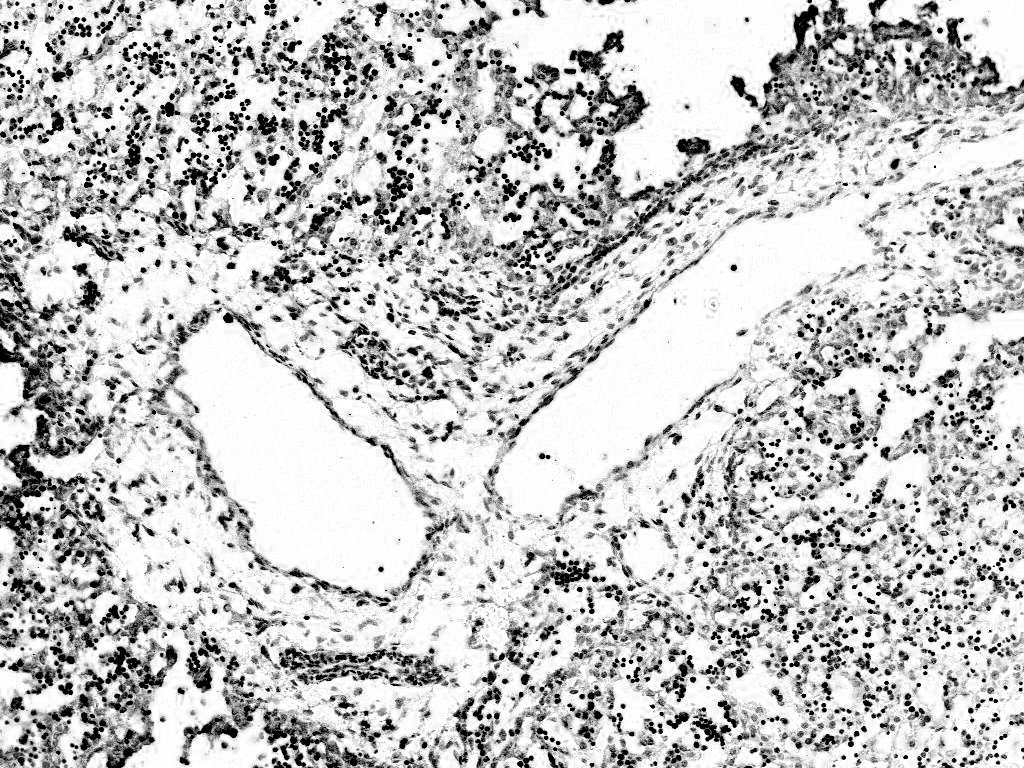
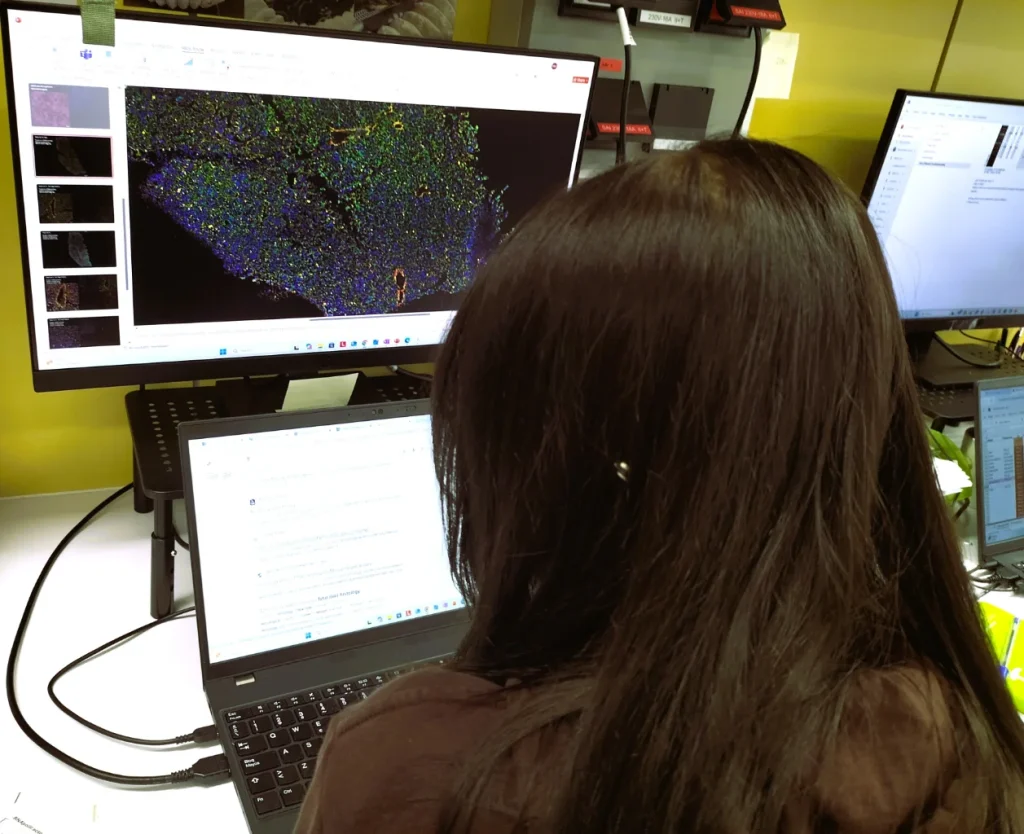
To make lab-grown blood stem cells truly work, we need to mimic how they mature naturally in the womb. SpaceHSC-Dev combines high-tech spatial biology with 3D models to decode how stem cells interact with their environment as they develop, unlocking blueprints for making better therapeutic cells.
Dissecting the role of the gene HLF (hepatic leukemia factor) in stemness regulation to identify targeted therapeutic options for AML
Leukemia hides in stem-like cells that dodge treatment and bring the disease back. This project targets a key gene switch, HLF, that fuels these stubborn cells, aiming to shut it down and deliver smarter, more lasting cures for acute myeloid leukemia. (PI: Julia Aguadé-Gorgorió, PhD).
Live-N-ChilL: The fetal liver niche role in hematopoietic development and childhood leukemia.
This PhD fellowship is centered on unravelling how the fetal liver shapes blood stem cell development and the origins of childhood leukemia, using cutting-edge spatial biology and organoid models to decode the molecular and cellular “conversations” that turn healthy stem cells into life-long blood producers, or, when derailed, into leukemia-initiating cells. (PhD candidate: Ms. Hollie May Bunce)